
Brian Kalk Moves Into the Heart of Campus
Updated: Jul 16

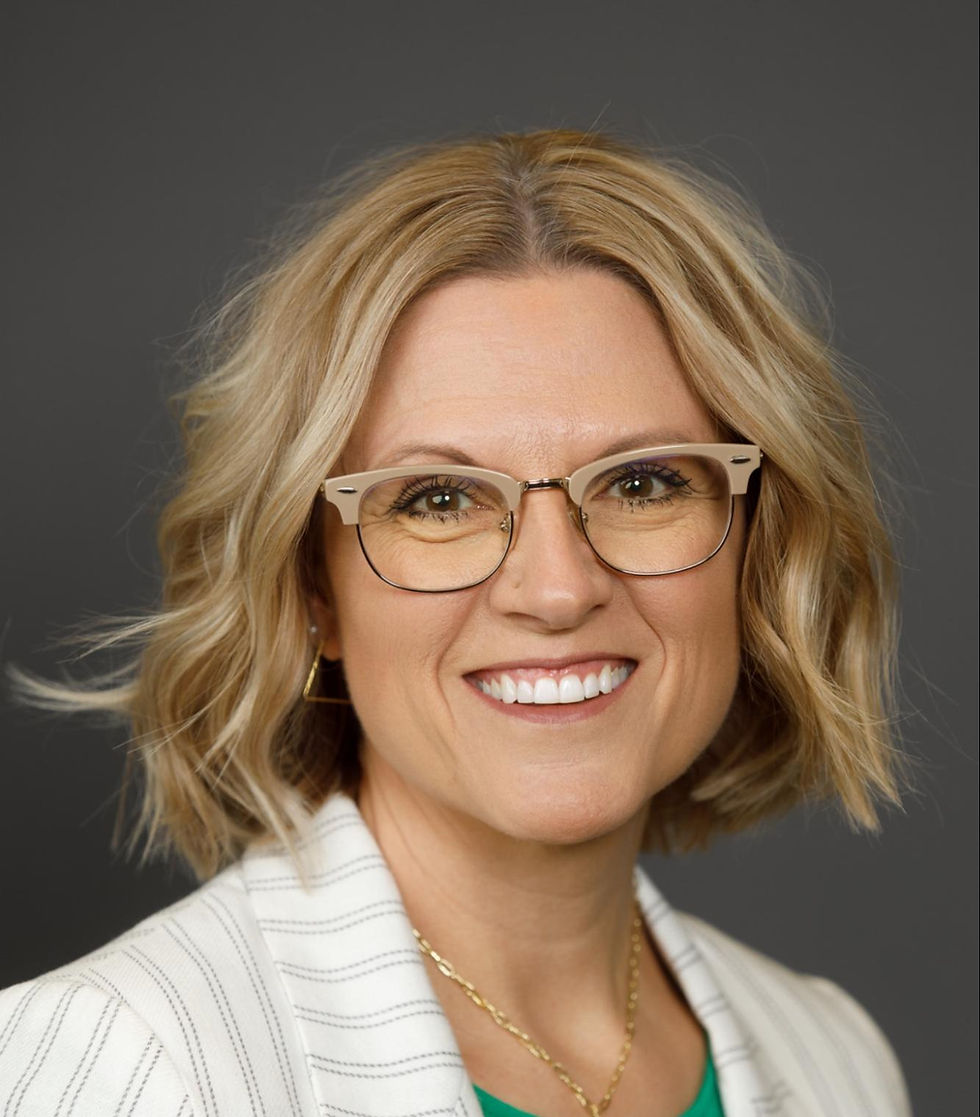
Brian Kalk began his new endeavor as Bismarck State College’s 8th president on April 16. He has been busy getting to know the people on campus, including some media students on The Mystician.
Where are you from, and where did you go to college?
“I was born in Bottineau, North Dakota, which is, basically 200 miles straight north of here and the Canadian border. I went to high school there. After high school, I went to college at Dakota College of Bottineau. So I started out, myself, at a community college. And that was a very good experience. I say oftentimes that was by far my best college experience. The interesting part is, I started college in the Fall of 1984. I didn’t finish college until 2006. So for me, education was definitely a journey.”
Tell us about your military background and how that experience will influence your leadership at the college?
“I was a radio man working with equipment and hands-on kind of things. We would set up communication networks. I joined the Marine Corps in 1988, and Desert Storm was one of the first chances I had to really be involved in external operations. In Desert Storm, Hussein invaded Kuwait and took their oilfields. One of the things that endeared my balance of national security and energy was when Hussein lit the oil fields on fire in Kuwait … a slash and burn approach. And I was a young 25-year-old Marine, woke up that morning and couldn’t see anything because we were in the middle of oil field fires. And I remember thinking very vividly, ‘I hope we’re here for more than oil, because there’s a lot of reasons you’re in different places.’ But the mix of foreign policy and energy development, that’s probably when it crystallized in my head—this is something a guy could spend some time with. That probably set me on the course of let’s finish the four-year degree. When I finished the four year degree, I got commissioned as a lieutenant. I was a logistics officer. So, in logistics you deal with pipelines and power lines, buildings, facilities, all the things on a campus. The bases that I’d been involved in were pretty big because when I was the environmental officer at Camp Pendleton, that’s a base of 50,000 people. You know, I’ve never been a president before, okay, but the issues, knock on wood, that we’re dealing with here are things that I’ve seen before in different roles. So the military really prepped me for a good career afterwards.
Share your leadership experience?
The more experiences you have with leadership—good leadership, bad leadership—you just get more in your toolkit. I was a student going to a community college. I was a student going to night school while working full time. I was able to go to work to get a master’s degree. With the exception of my first year at Dakota College, I’ve never been a full time student just going to college. I think that really helps with all of the things we’re doing here at BSC—to understand the challenges. The leadership style that I have now—I call it management by walking around. You’ll see me getting around, seeing things. The more touchpoints you have, the more you understand what’s going on, whether it’s campus or business. I think you make better decisions the more information you have. So I try to gather as much information as I can, but also know that not making the decision is a decision too. You can’t let things linger on forever. We keep talking. We keep communicating, keep understanding, and we’ll do things right. And we’ll probably make some mistakes along the way. Through management by walking around, if I hear something in one area and hear it in another area and another area—you’ve got a trend going on. I don’t know if you saw the news, but the president’s office used to be over there in the energy building [NECE]. And, during the interview process, I never went into the president’s office—I thought that was bad luck—but I did ask where it was, and I was like, well, this is not the center of campus. So in the back of my head was [the thought] that if we get the job, the first decision we’re going to make is move from there to the Jack Science Center. So, we’re now on the third floor of the Jack Science building—swing by anytime. You don’t have to have an appointment to come in and look around. But it’s in the heart of campus.”
Explain the challenge of expanding the college’s role to meet the region’s needs? “The industry needs are there, but with growth comes challenges. You’ve got faculty that’s teaching a lot of classes. You’ve got staff that keep offering more services. With that, you’ve got challenges with business needs, and if a business wants something, and we can provide a degree for them, there’s a process. You have to make sure you run it through the process and that takes time. The challenges of growth are stressful, and if you don’t maintain growth and you’re losing revenue, then that can be challenging. You have to go through hard decisions about what to keep or what not to keep. One of the challenges you always face in academia is trying to keep up with the local market of pay and benefits and those things. What keeps people at a job is that they like their job. They like what they’re doing. They like the people they work with. The better working climate we can have at Bismarck State, the better it is for everybody.”
This story is the collaborative effort of Bismarck State College student reporters of The Mystician. Students: Sophia Fafard, Natalie Lawrence, Jaxon Miller, Elena Sanchez, and Clayton Sicble-Fox.
Watch the news package story on Brian Kalk, created by MystiCast Executive Producer Isaiah Johnson:

Comments